There are few moments more disheartening for an angler than the sudden realization that your trusty fishing rod tip has snapped. Whether it’s a mishap with a car door, an accidental drop, or just the wear and tear of countless fishing trips, a broken rod tip can instantly derail your day on the water. The good news is, you don’t always need a professional to get back in the game. With a few simple tools and a bit of know-how, you can often perform a quick and effective repair right at home, saving both time and money. This guide will walk you through the process, ensuring you’re ready to reel in your next big catch with confidence.
Understanding Your Fishing Rod Tip
The tip of your fishing rod, often called the tip-top guide, is a small yet critical component. It’s the uppermost guide that the fishing line passes through, playing a crucial role in casting accuracy, sensitivity, and the overall action of your rod. Because it’s the thinnest and most exposed part of the rod, it’s also the most vulnerable to damage. A functional tip ensures smooth line flow, helps distribute stress along the rod blank, and provides the sensitivity needed to detect subtle bites. When it breaks, your rod becomes practically unusable, affecting everything from casting distance to your ability to feel what’s happening at the end of your line.
Common Causes of Broken Rod Tips
Fishing rod tips, despite their importance, face numerous hazards that can lead to breakage. One of the most frequent culprits is accidental impact, such as slamming the rod in a car door or tailgate, or dropping it on a hard surface. Improper storage is another major cause; leaving a rod unsecured in a boat, garage, or vehicle can result in it being bent or stepped on. Even general wear and tear from extensive use can weaken the tip guide, especially if the insert ring wears out or falls off. Understanding these common scenarios can help you take preventative measures to protect your gear.
Essential Tools and Materials for Rod Tip Repair
Before you begin the repair, gathering the right tools and materials is crucial. Most of what you need can be found in a basic fishing rod tip repair kit, which is a worthwhile investment for any angler.
Here’s what you’ll typically need:
- Fishing Rod Tip Repair Kit: These kits usually include an assortment of replacement tip-top guides in various sizes to match different rod diameters, along with specialized adhesive.
- Heat Source: A lighter, candle, or a small heat gun is essential for softening old adhesive and melting new glue. Exercise caution to avoid damaging the rod blank.
- Pliers or Forceps: Useful for gently pulling off the old, damaged tip.
- Razor Blade or Fine-Grit Sandpaper: For cleaning and smoothing the rod blank where the old tip was attached.
- Rubbing Alcohol or Clean Rag: To wipe away any residue and ensure a clean bonding surface.
- Hot Melt Adhesive (Glue Stick): This is the most common adhesive for DIY rod tip repair because it sets quickly and can be reheated if alignment adjustments are needed. It’s usually included in repair kits.
- Epoxy (Optional): While hot melt adhesive is popular for quick fixes, a two-part epoxy can offer a more permanent bond. However, it requires a longer curing time and is harder to remove if mistakes are made. For quick home repairs, hot melt adhesive is generally preferred.
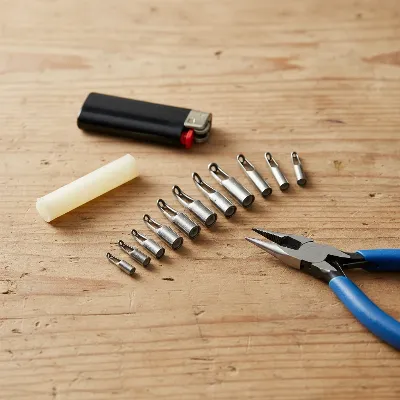 A fishing rod tip repair kit laid out on a table with various tip guides, a lighter, and a glue stick.
Step-by-Step Guide to Replacing a Broken Rod Tip
Replacing a broken fishing rod tip is a straightforward process that most anglers can accomplish at home. Follow these steps carefully to ensure a secure and properly aligned repair.
1. Removing the Damaged Tip
|
Our Picks for the Best Fishing Rod in 2026
As an Amazon Associate I earn from qualifying purchases.
|
||
| Num | Product | Action |
|---|---|---|
| 1 | PLUSINNO Fishing Rod and Reel Combos Carbon Fiber Telescopic Fishing Pole with Reel Combo Sea Saltwater Freshwater Kit Fishing Rod Kit |

|
| 2 | PLUSINNO Fishing Gear,Full Fishing kit Include Fishing Rod and Reel Combo, Tackle Box with Fishing Lures, Fishing Accessories, Fishing Pliers,Fishing Gifts for Men with Fishing Tool Kit |
|
| 3 | Fishing Rod, 6.9ft 2Pcs Telescopic Fishing Rods Set, Carbon Fiber Fishing Pole, 2PCS Spinning Rod and Reel Combo with Carrier Bag Freshwater Fishing Rod and Reel Combos Kits Fishing Gear |
|
| 4 | PLUSINNO Fishing Rod and Reel Combos - Carbon Fiber Telescopic Fishing Pole - Spinning Reel 12 +1 Shielded Bearings Stainless Steel BB |
|
| 5 | PLUSINNO Fishing Rod and Reel Combos Carbon Fiber Telescopic Fishing Pole with Reel Combo Sea Saltwater Freshwater Kit Fishing Rod Kit |
|
| 6 | Shakespeare Micro Spinning Rod |
|
| 7 | Sougayilang Fishing Rod Reel Combo with Telescopic Fishing Pole Spinning Reel Carrier Bag for Travel Saltwater Freshwater Fishing |
|
| 8 | OKUMATrout Rod |
|
| 9 | PLUSINNO Fishing Rod and Reel Combos - Carbon Fiber Telescopic Fishing Pole - Spinning Reel 12 +1 Shielded Bearings Stainless Steel BB |
|
| 10 | PLUSINNO Fishing Rod and Reel Combos Carbon Fiber Telescopic Fishing Pole with Reel Combo Sea Saltwater Freshwater Kit Fishing Rod Kit |
|
First, you need to remove the old, broken tip-top guide. If the old tip is still present, gently apply heat to the metal tube of the guide with a lighter or candle for a few seconds. The goal is to soften the adhesive that holds it in place. Be cautious not to hold the flame directly on the rod blank, as excessive heat can damage the rod material. Once the adhesive is softened, use pliers or forceps to gently pull the old tip straight off the rod blank. Avoid twisting, as this can splinter the rod.
2. Preparing the Rod Blank
With the old tip removed, clean the end of the rod blank. Use a razor blade or fine-grit sandpaper to carefully scrape away any residual glue or debris. The surface should be as smooth and clean as possible to ensure a strong bond for the new tip. After scraping, wipe the rod tip with a clean rag or an alcohol swab to remove any dust or grease. A clean surface is paramount for the new adhesive to adhere effectively.
3. Selecting the Correct Replacement Tip
From your repair kit, select a new tip-top guide that fits snugly over the end of your rod blank. The tube of the new tip should match the diameter of your rod tip. You might need to try a few sizes to find the perfect fit. Some kits also offer different ring sizes; choose one that is consistent with the other guides on your rod, or slightly larger if you prefer. Ensuring the correct size is vital for the rod’s balance and casting performance.
4. Applying the Adhesive
If using hot melt adhesive, take the glue stick and gently heat one end with your lighter until it starts to melt. Apply a small amount of the molten glue directly around the cleaned tip of your rod blank, rotating the rod to ensure even coverage. Alternatively, you can melt a small piece of the hot glue and insert it into the tube of the new tip guide. The key is to have enough glue to create a strong bond without excessive overflow.
5. Attaching the New Tip
Once the glue is applied, quickly slide the new tip-top guide onto the rod blank. The adhesive will begin to set rapidly, especially hot melt glue. Ensure the rod tip goes all the way into the tube of the new guide. If the glue cools before you can get the tip on or fully seated, simply apply a little more heat to soften it again.
6. Aligning and Finishing
This is a critical step for optimal rod performance. Before the adhesive fully hardens, visually align the new tip-top guide with the other running guides down the length of your rod. Sight down the rod from the reel seat to the tip to make sure all guides form a straight line. Once aligned, hold the tip in place for about 30 seconds to a minute until the glue sets firmly. If there’s any excess glue around the base of the new tip, you can carefully wipe it away with a clean cloth or your finger before it completely hardens. Test the tip gently after it has completely cooled to ensure it’s secure.
Temporary Fixes for a Broken Rod Tip
While the step-by-step guide above outlines a quick and lasting repair, sometimes you might need an even faster, on-the-water fix to save a fishing trip. If your rod tip breaks and you don’t have a full repair kit, there are a couple of makeshift solutions, though they are purely temporary.
One common field expedient is to simply cut the rod blank down to the next intact guide. While this shortens your rod and changes its action, it allows you to continue fishing by creating a new “tip.” You can then tie your line directly to this guide. This method is drastic and irreversible, so it should only be used in an emergency when no other options are available.
Another temporary solution, if only the ceramic insert of the tip guide is missing but the metal frame remains, is to run your line directly through the metal frame. Be aware that this can cause friction and potentially damage your fishing line, so it’s not ideal for prolonged use but might get you through the rest of the day. For any long-term solution, replacing the entire tip-top guide with a proper kit is always recommended.
When to Consider Professional Repair or Replacement
While many broken rod tips can be fixed at home, there are situations where seeking professional repair or even replacing the entire rod might be the better option.
Consider professional repair if:
- Damage to the Rod Blank: If the main shaft of the rod (the blank) itself is cracked, splintered, or severely damaged beyond the tip, a simple tip replacement won’t suffice. This type of damage can compromise the rod’s integrity and casting power.
- Multiple Guide Damage: If several guides along the rod are broken or require re-wrapping, the complexity of the repair might warrant professional attention, especially if you lack the specialized tools for guide wrapping.
- High-End or Sentimental Rod: For very expensive, custom-built, or rods with significant sentimental value, a professional repair can ensure the work is done perfectly, maintaining its value and performance.
- Lack of Confidence: If you’re uncomfortable with DIY repairs or don’t have the steady hand required for precise alignment, a professional will guarantee a quality fix.
On the other hand, consider replacing the entire rod if:
- Cost of Repair Exceeds Value: If the cost of professional repair approaches or exceeds the cost of a new, comparable rod, replacement might be more economical.
- Extensive Damage: Beyond a broken tip, if the rod has multiple issues like a cracked blank, compromised reel seat, or numerous damaged guides, it might be beyond repair or simply not worth the investment.
- Warranty: Check if your rod is still under warranty. Many manufacturers offer repair or replacement services for their products, which could be a cost-effective solution.
Maintaining Your Fishing Rod to Prevent Tip Breakage
Prevention is always better than cure, especially when it comes to delicate fishing rod tips. Adopting a few good habits can significantly extend the life of your rod and help you avoid the frustration of a broken tip.
- Proper Handling: Always handle your fishing rod with care. Avoid sudden impacts, dropping it, or bending the tip excessively. Be especially mindful when walking through brush or entering tight spaces.
- Secure Storage: Invest in rod sleeves, cases, or rod socks. These protective covers shield your rod, particularly the tip and guides, from accidental bumps and abrasions during transport and storage. When storing rods in a vehicle, ensure they are secured and not prone to being slammed in doors or crushed by other gear.
- Careful Transport: When transporting multiple rods, use a rod rack or ensure they are bundled securely to prevent them from tangling or colliding. Never allow rods to flop around unsecured in the back of a truck or boat.
- Regular Inspection: Periodically check your rod tip and other guides for signs of wear, cracks, or loose inserts. Addressing minor issues early can prevent more significant damage down the line.
- Avoid Overloading: Using a rod that is too light for the fish you are targeting or the line you are using can put undue stress on the tip, leading to breakage. Always match your gear to your fishing conditions.
By implementing these simple maintenance tips, you can greatly reduce the likelihood of a broken rod tip and ensure your fishing adventures remain smooth and successful.
Conclusion
A broken fishing rod tip doesn’t have to signal the end for your beloved rod. With the right tools and a bit of patience, a quick and effective repair can be easily performed at home, often getting you back on the water in minutes. From understanding the common causes of damage to mastering the step-by-step replacement process and adopting preventative measures, you now have the knowledge to tackle this common angler’s dilemma with confidence. So, the next time your tip snaps, remember that a quick fix is well within your reach, ensuring many more successful fishing expeditions. What’s your go-to quick fix when you’re out on the water and your rod tip breaks?
Frequently Asked Questions
What is the best type of glue for a fishing rod tip repair?
Hot melt adhesive (found in most repair kits) is often considered the best for home repairs due to its quick setting time and the ability to reheat it for adjustments. Epoxy offers a stronger, more permanent bond but requires a longer curing time and is harder to remove.
How do I size a replacement rod tip correctly?
You need to measure two things: the inside diameter of the replacement tip’s tube to match the rod blank, and the ring size (either inside or outside diameter) to match the other guides on your rod. Most repair kits come with various sizes, allowing you to find the best fit.
Can I use superglue to fix a broken rod tip?
It is generally not recommended to use superglue for rod tip repairs. Superglue creates a brittle bond that can weaken over time and make future repairs or adjustments extremely difficult, often necessitating damage to the rod blank to remove.
How long does it take for a rod tip repair to set?
Using hot melt adhesive, the bond typically sets within 30 seconds to a minute, allowing for quick alignment. However, it’s best to let the adhesive cool completely for a few minutes before putting any significant stress on the tip. Epoxy glues require several hours to fully cure.
Is it possible to repair a broken rod blank, not just the tip?
Repairing a broken rod blank is more complex than a tip replacement and often requires specialized rod building techniques or professional repair. A simple tip repair only addresses the uppermost guide, not damage to the main body of the rod.
What should I do if the new tip guide is not aligned properly?
If you used hot melt adhesive, you can gently reheat the tip-top guide with a lighter to soften the glue and readjust the alignment. Work quickly and carefully, then allow the glue to cool and set again. This adjustability is a key advantage of hot melt glues.
