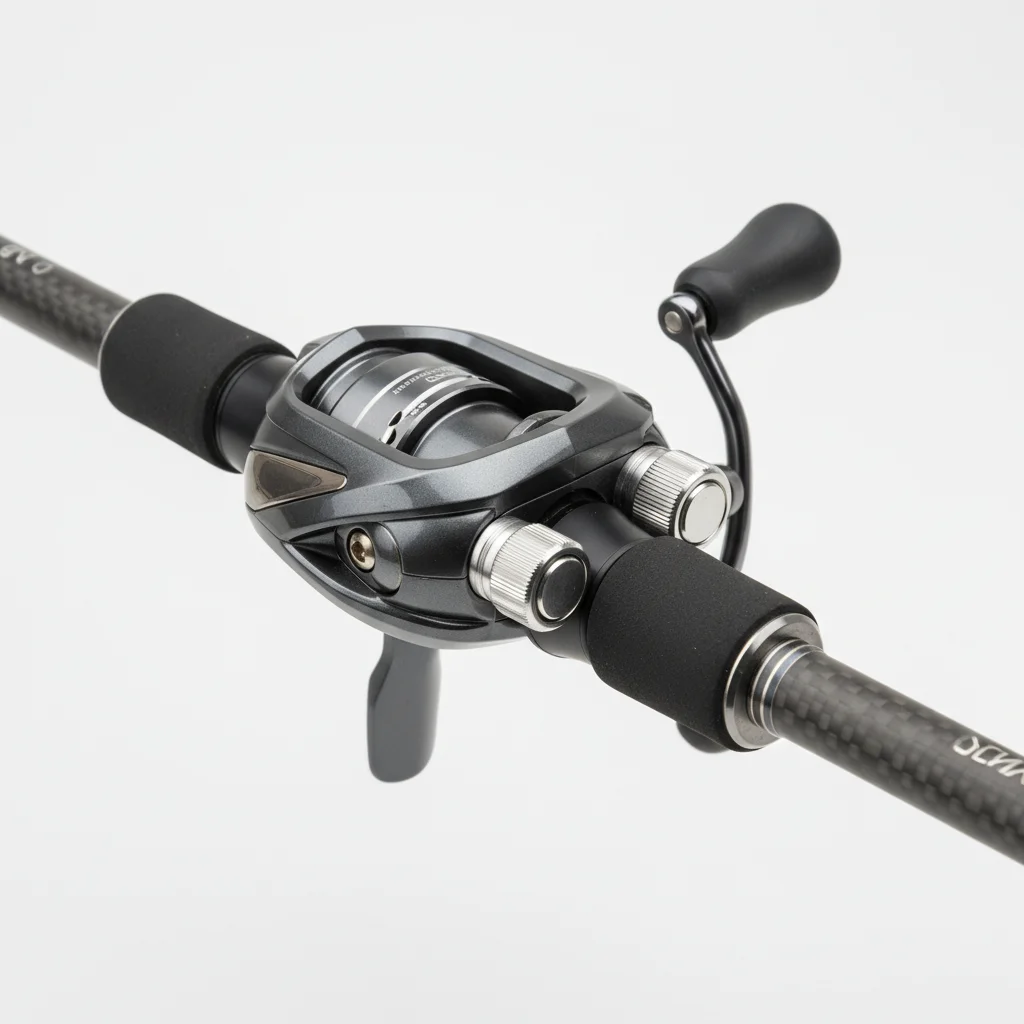
A fishing rod reel seat is the component on a fishing rod where the fishing reel is securely attached. Its primary function is to hold the reel firmly in place, ensuring stability and control during casting, retrieving, and fighting fish. There are typically three main types of reel seats: screw-down, up-locking, and down-locking, each offering different mechanisms for securing the reel.
Understanding the Components of a Reel Seat
A standard reel seat consists of several key parts working in unison. The barrel is the main cylindrical body that houses the reel foot. A hood, often made of metal or durable plastic, slides over one end of the reel foot. The locking mechanism, usually a threaded nut or a sliding ring, then tightens against the other end of the reel foot, securing it against the hood and barrel. Some reel seats also incorporate a fixed hood and a movable hood, providing a more robust grip. The material choice for these components, such as graphite, aluminum, or stainless steel, impacts durability and weight. For best fishing rod roundups on this site.
Types of Fishing Rod Reel Seats Explained
The most common type is the screw-down reel seat, where a threaded nut is turned to tighten against the reel foot. Up-locking reel seats feature the locking mechanism positioned above the reel, while down-locking reel seats have it below. Each configuration offers subtle differences in balance and ergonomics. For instance, an up-locking seat might shift the balance point slightly forward, which some anglers prefer for certain casting styles. Conversely, a down-locking seat can provide a more traditional feel and might be favored for its simplicity.
How to Properly Mount Your Reel
|
Our Picks for the Best Fishing Rod in 2026
As an Amazon Associate I earn from qualifying purchases.
|
||
| Num | Product | Action |
|---|---|---|
| 1 | PLUSINNO Fishing Rod and Reel Combos Carbon Fiber Telescopic Fishing Pole with Reel Combo Sea Saltwater Freshwater Kit Fishing Rod Kit |

|
| 2 | OKUMATrout Rod |
|
| 3 | PLUSINNO Fishing Rod and Reel Combos Carbon Fiber Telescopic Fishing Pole with Reel Combo Sea Saltwater Freshwater Kit Fishing Rod Kit |
|
| 4 | Fishing Rod, 6.9ft 2Pcs Telescopic Fishing Rods Set, Carbon Fiber Fishing Pole, 2PCS Spinning Rod and Reel Combo with Carrier Bag Freshwater Fishing Rod and Reel Combos Kits Fishing Gear |
|
| 5 | PLUSINNO Fishing Gear,Full Fishing kit Include Fishing Rod and Reel Combo, Tackle Box with Fishing Lures, Fishing Accessories, Fishing Pliers,Fishing Gifts for Men with Fishing Tool Kit |
|
| 6 | PLUSINNO Fishing Rod and Reel Combos - Carbon Fiber Telescopic Fishing Pole - Spinning Reel 12 +1 Shielded Bearings Stainless Steel BB |
|
| 7 | Sougayilang Fishing Rod Reel Combo with Telescopic Fishing Pole Spinning Reel Carrier Bag for Travel Saltwater Freshwater Fishing |
|
| 8 | Shakespeare Micro Spinning Rod |
|
| 9 | PLUSINNO Fishing Rod and Reel Combos - Carbon Fiber Telescopic Fishing Pole - Spinning Reel 12 +1 Shielded Bearings Stainless Steel BB |
|
| 10 | PLUSINNO Fishing Rod and Reel Combos Carbon Fiber Telescopic Fishing Pole with Reel Combo Sea Saltwater Freshwater Kit Fishing Rod Kit |
|
Mounting your reel correctly is crucial for optimal performance and to prevent damage to both the reel and the rod. First, ensure the reel foot is clean and free of debris. Slide one end of the reel foot under the fixed hood of the reel seat. Then, position the other end of the reel foot into the movable hood or under the locking mechanism. Carefully tighten the locking nut or slide the ring until the reel is snug and secure. Avoid over-tightening, as this can strip threads or crack the reel seat. A properly mounted reel should have no wobble or play.
Common Reel Seat Issues and Solutions
While reel seats are generally robust, they can encounter issues. A common problem is a loose reel seat, which can be caused by vibration during use or improper tightening. Regularly checking the tightness of your reel seat before and during fishing trips can prevent this. Another issue might be corrosion, especially in saltwater environments, if the materials are not adequately protected. Rinsing your rod with fresh water after saltwater use and applying a light lubricant to the threads can mitigate corrosion. If a reel seat becomes damaged, it can often be replaced by a professional rod builder.
Maintaining Your Reel Seat for Longevity
Proper maintenance extends the life of your reel seat and ensures reliable performance. Here are key maintenance tips:
- Always rinse your reel seat with fresh water after every fishing trip, especially in saltwater.
- Inspect the threads and locking mechanism regularly for wear, corrosion, or damage.
- Apply a small amount of silicone grease or a marine-grade lubricant to the threads periodically to ensure smooth operation and prevent seizing.
- Store your fishing rods in a way that protects the reel seat from impacts or pressure.
- Avoid using harsh chemicals or abrasive cleaners on your reel seat, as these can damage the finish or material.
By understanding the function, types, and maintenance of your fishing rod reel seat, you can ensure your reel remains securely attached, leading to a more enjoyable and successful fishing experience.

I found the explanation of the locking mechanism helpful, but I wish there was more detail on how to maintain the threaded nut. Mine sometimes gets a little sticky, and I’m not sure if I should be lubricating it or just cleaning it more often. Still, it’s a solid overview of the basics.
This really cleared up the differences between fixed and movable hoods. I always thought they were pretty much the same, but now I get why some of my rods feel more secure. My surf rod has a really robust setup, and it’s probably because of that dual hood system mentioned. Makes a huge difference in rough conditions.
I’ve always just taken my reel seats for granted, but after reading up on the different types, I finally understand why my old rod felt so wobbly. The screw-down mechanism on my new rod is a game-changer for stability. It really makes a difference when you’re trying to land a big one and need that extra control.
Good info here. I’ve been using an up-locking reel seat for years on my bass rod and it’s always been reliable. Never had a reel come loose, even with some pretty aggressive casting. It’s good to know the specifics of how the barrel and hood work together to keep everything tight.