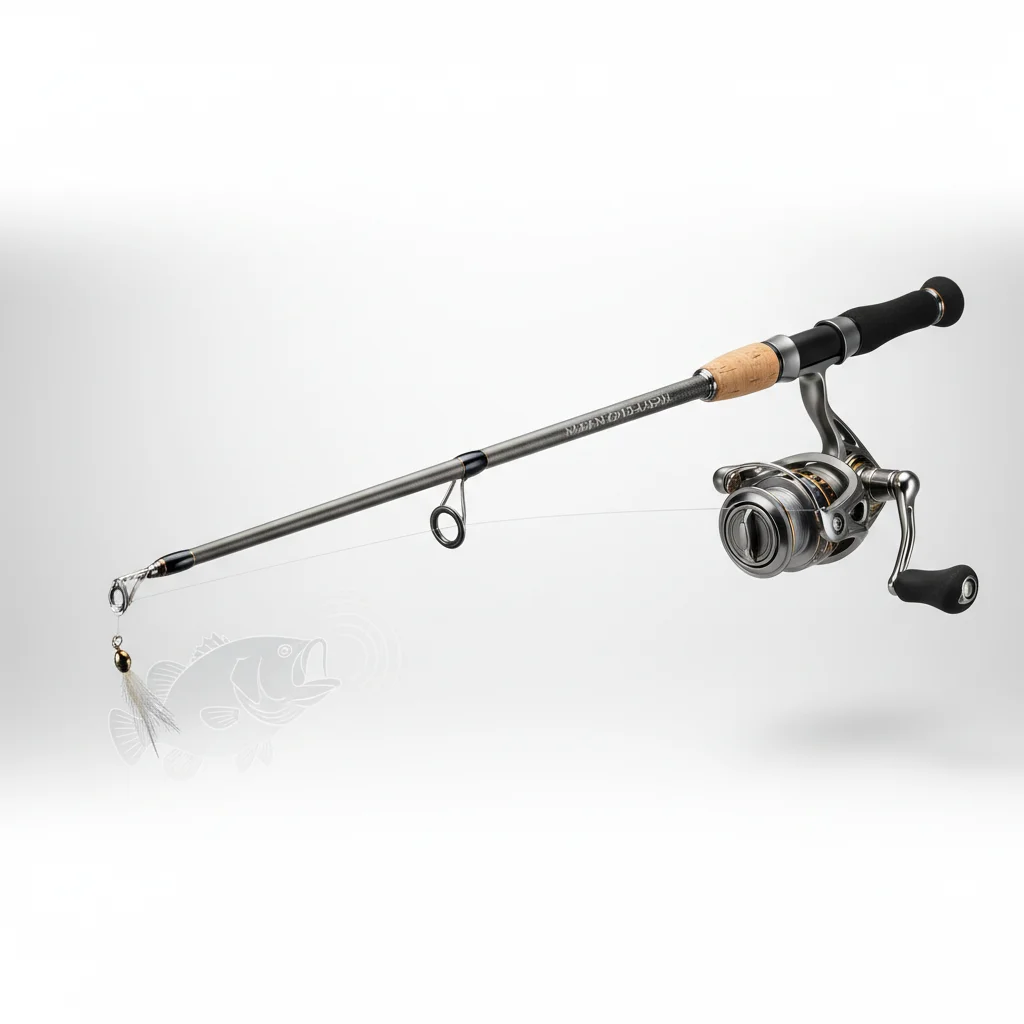
Fishing rod sensitivity is a crucial factor that significantly impacts an angler’s ability to detect subtle bites and underwater structures. It refers to how well vibrations travel from the line through the rod to your hand, allowing you to feel what’s happening beneath the surface. A highly sensitive rod can mean the difference between a missed opportunity and a successful hookset, especially when targeting finicky fish or using delicate presentations. There are three primary factors that determine a rod’s sensitivity: material composition, blank construction, and handle design.
Understanding Rod Material and Sensitivity
The material a fishing rod is made from plays the most significant role in its sensitivity. Graphite rods are widely recognized as the most sensitive due to their high modulus and stiffness-to-weight ratio. This allows vibrations to travel quickly and efficiently up the blank. Fiberglass, while durable and flexible, is considerably less sensitive, making it better suited for applications where brute strength and forgiveness are prioritized over subtle feel. Composite rods, which blend graphite and fiberglass, offer a middle ground, providing a balance of sensitivity and durability. The higher the modulus of graphite, generally the more sensitive the rod will be, though this often comes at a higher cost and increased fragility.
How Blank Construction Impacts Feel
|
Our Picks for the Best Fishing Rod in 2026
As an Amazon Associate I earn from qualifying purchases.
|
||
| Num | Product | Action |
|---|---|---|
| 1 | PLUSINNO Fishing Rod and Reel Combos - Carbon Fiber Telescopic Fishing Pole - Spinning Reel 12 +1 Shielded Bearings Stainless Steel BB |

|
| 2 | PLUSINNO Fishing Rod and Reel Combos Carbon Fiber Telescopic Fishing Pole with Reel Combo Sea Saltwater Freshwater Kit Fishing Rod Kit |
|
| 3 | Sougayilang Fishing Rod Reel Combo with Telescopic Fishing Pole Spinning Reel Carrier Bag for Travel Saltwater Freshwater Fishing |
|
| 4 | PLUSINNO Fishing Rod and Reel Combos - Carbon Fiber Telescopic Fishing Pole - Spinning Reel 12 +1 Shielded Bearings Stainless Steel BB |
|
| 5 | OKUMATrout Rod |
|
| 6 | Shakespeare Micro Spinning Rod |
|
| 7 | PLUSINNO Fishing Rod and Reel Combos Carbon Fiber Telescopic Fishing Pole with Reel Combo Sea Saltwater Freshwater Kit Fishing Rod Kit |
|
| 8 | Fishing Rod, 6.9ft 2Pcs Telescopic Fishing Rods Set, Carbon Fiber Fishing Pole, 2PCS Spinning Rod and Reel Combo with Carrier Bag Freshwater Fishing Rod and Reel Combos Kits Fishing Gear |
|
| 9 | PLUSINNO Fishing Rod and Reel Combos Carbon Fiber Telescopic Fishing Pole with Reel Combo Sea Saltwater Freshwater Kit Fishing Rod Kit |
|
| 10 | PLUSINNO Fishing Gear,Full Fishing kit Include Fishing Rod and Reel Combo, Tackle Box with Fishing Lures, Fishing Accessories, Fishing Pliers,Fishing Gifts for Men with Fishing Tool Kit |
|
Beyond the raw material, the way a rod blank is constructed also influences its sensitivity. A thinner blank with fewer layers of material will typically be more sensitive than a thicker, multi-layered blank. This is because there’s less material to dampen vibrations. Additionally, the quality of the resin used to bind the fibers can affect sensitivity; higher-quality resins can transmit vibrations more effectively. Some manufacturers employ advanced blank technologies, such as spiral-wrapped guides or specialized tapers, to further enhance sensitivity by reducing line friction and improving vibration transfer. The overall weight of the blank also contributes; lighter blanks tend to be more sensitive as they are less prone to dampening subtle inputs.
The Role of Handle Design and Components
The handle and reel seat are the primary points of contact between you and the rod, making their design critical for sensitivity. Handles made from materials like high-density EVA foam or cork transmit vibrations better than softer, more absorbent materials. Split-grip designs, which expose more of the rod blank, can also enhance sensitivity by allowing direct contact with the blank itself. The reel seat’s design and material also matter; those that provide a direct connection to the blank, often with minimal material between your hand and the rod, will offer superior feel. Even the type and number of guides can play a role, with lighter, more rigid guides like those made from titanium or silicon carbide transmitting vibrations more efficiently than heavier, less rigid options.
Why Sensitivity Matters for Different Fishing Styles
The importance of rod sensitivity varies greatly depending on the type of fishing you’re doing. For finesse techniques like drop-shotting, jigging, or worm fishing, where detecting light bites from wary fish is paramount, high sensitivity is absolutely essential. Anglers targeting species like bass, walleye, or trout often prioritize sensitive rods to feel subtle

This really hit home about the blank construction. I’ve had some rods that felt dead even if they were graphite. My new rod with a solid, continuous blank design is so much better at transmitting those subtle taps. It’s made a big difference when I’m fishing in deeper water and need to feel the bottom structure.
I used to miss so many bites when using delicate presentations, especially with crappie. Upgrading to a rod specifically designed for high sensitivity, focusing on the material composition, has been a game-changer. I’m now detecting those almost imperceptible takes and landing way more fish. It’s worth the investment.
I agree that sensitivity matters, especially for finicky fish. My main issue is with the handle design on some of these ‘sensitive’ rods. While the graphite is great, some of the minimalist handles feel a bit too small for my hands, making it uncomfortable after a few hours. It’s a trade-off, I guess, but I wish there was a better balance.
I always thought sensitivity was a bit overhyped until I switched to a high-modulus graphite rod. The difference is night and day! I can actually feel those super light bites from wary bass now, which has definitely improved my hook-up ratio. It’s amazing how much more connected you feel to what’s happening underwater.