Restoring fishing rod grips to their original condition is a simple task that requires only a few common household items and minimal effort. Over time, rod grips accumulate dirt, fish slime, sunscreen, and natural oils, making them grimy and slippery. This guide provides safe and effective methods for cleaning both cork and EVA foam grips, ensuring your fishing gear remains in top condition for seasons to come.
Understanding Your Fishing Rod Grips: Cork vs. EVA Foam
Before diving into the cleaning process, it’s essential to identify the type of grip on your fishing rod, as each material requires a slightly different approach to cleaning and care.
Cork Grips
Cork grips are a classic choice, prized by many anglers for their natural feel, lightweight properties, and excellent sensitivity. Derived from the bark of cork oak trees, this material offers a comfortable, warm, and tactile surface that performs well even when wet. However, its porous nature makes it highly susceptible to absorbing dirt, fish oils, sunscreen, and other contaminants. Over time, these absorbed elements lead to the characteristic darkening and grime buildup often seen on older cork handles. While a dirty cork grip might tell a story of many fishing adventures, a clean one restores its aesthetic appeal and preserves its inherent qualities.
EVA Foam Grips
EVA (Ethylene-Vinyl Acetate) foam grips are a popular modern alternative, known for their durability, superior shock absorption, and low maintenance. This synthetic polymer is lightweight, resistant to moisture, and offers a firm, comfortable hold. EVA foam is available in various colors and hardness levels, making it versatile for different rod designs. Although less porous than cork, EVA foam grips still accumulate surface grime, salt residue, and oils, which can make them feel slick and look dull. If not cleaned regularly, the surface of EVA foam can flatten over time due to pressure, leading to a “shiny” appearance and reduced grip.
Essential Tools and Supplies for Grip Cleaning
Gathering the right tools before you begin will make the cleaning process smooth and efficient, ensuring you have everything at hand for a thorough and safe restoration of your rod grips.
- Mild Dish Soap: A gentle, degreasing dish soap like Dawn is effective for breaking down oils and grime on EVA foam and can be diluted for cork.
- Soft Brush or Old Toothbrush: Ideal for scrubbing EVA foam grips without causing damage.
- Clean Rags or Microfiber Cloths: Essential for wiping, drying, and applying cleaners.
- Mr. Clean Magic Erasers: A highly recommended tool for both cork and EVA foam, excellent for lifting stubborn dirt and stains.
- Fine-Grit Sandpaper (1,000 to 2,000-grit): Specifically for rejuvenating severely discolored or worn cork, or for restoring texture to shiny EVA foam.
- Rubbing Alcohol (Isopropyl Alcohol): Useful for heavily soiled cork grips and general sanitization.
- Small Bowl of Water: For dampening Magic Erasers or diluting soap.
- Masking Tape: Crucial for protecting adjacent rod parts (reel seat, blank) when sanding.
- Optional: Cork sealant (for cork grips), sanitizing wipes (for EVA foam).
Step-by-Step Guide to Safely Cleaning Fishing Rod Grips
Proper cleaning techniques not only make your grips look new but also help preserve their integrity and extend their lifespan. Always exercise caution and use the appropriate method for your grip material.
Cleaning Cork Grips
|
Our Picks for the Best Fishing Rod in 2026
As an Amazon Associate I earn from qualifying purchases.
|
||
| Num | Product | Action |
|---|---|---|
| 1 | PLUSINNO Fishing Rod and Reel Combos - Carbon Fiber Telescopic Fishing Pole - Spinning Reel 12 +1 Shielded Bearings Stainless Steel BB |

|
| 2 | PLUSINNO Fishing Rod and Reel Combos Carbon Fiber Telescopic Fishing Pole with Reel Combo Sea Saltwater Freshwater Kit Fishing Rod Kit |
|
| 3 | PLUSINNO Fishing Rod and Reel Combos - Carbon Fiber Telescopic Fishing Pole - Spinning Reel 12 +1 Shielded Bearings Stainless Steel BB |
|
| 4 | Shakespeare Micro Spinning Rod |
|
| 5 | Sougayilang Fishing Rod Reel Combo with Telescopic Fishing Pole Spinning Reel Carrier Bag for Travel Saltwater Freshwater Fishing |
|
| 6 | OKUMATrout Rod |
|
| 7 | PLUSINNO Fishing Rod and Reel Combos Carbon Fiber Telescopic Fishing Pole with Reel Combo Sea Saltwater Freshwater Kit Fishing Rod Kit |
|
| 8 | PLUSINNO Fishing Rod and Reel Combos Carbon Fiber Telescopic Fishing Pole with Reel Combo Sea Saltwater Freshwater Kit Fishing Rod Kit |
|
| 9 | PLUSINNO Fishing Gear,Full Fishing kit Include Fishing Rod and Reel Combo, Tackle Box with Fishing Lures, Fishing Accessories, Fishing Pliers,Fishing Gifts for Men with Fishing Tool Kit |
|
| 10 | Fishing Rod, 6.9ft 2Pcs Telescopic Fishing Rods Set, Carbon Fiber Fishing Pole, 2PCS Spinning Rod and Reel Combo with Carrier Bag Freshwater Fishing Rod and Reel Combos Kits Fishing Gear |
|
Cork grips require a gentle touch, but with the right tools, even the most stubborn grime can be removed, revealing the natural beauty of the cork.
- Initial Wipe Down: Start by wiping the cork grip with a damp, clean rag to remove any loose dirt or surface grime.
- Magic Eraser Method (Recommended):
- Lightly dampen a Mr. Clean Magic Eraser with water and squeeze out any excess. The eraser should be moist, not dripping wet.
- Gently rub the damp Magic Eraser along the cork grip in short, controlled strokes. You’ll notice the eraser picking up dirt and grime, turning it brown.
- Continuously rotate the eraser or use fresh sections as it becomes soiled to avoid spreading dirt.
- Wipe the grip down with a clean, damp cloth afterwards.
- Rubbing Alcohol for Deep Stains:
- For exceptionally dirty or stained cork, apply a small amount of rubbing alcohol to a clean cloth.
- Rub the stained areas gently. The alcohol helps to dissolve oils and grime, making the cork appear almost new.
- Wipe off any residue with a clean, damp cloth immediately.
- Fine-Grit Sandpaper for Restoration:
- Use this method sparingly, only when cork is severely discolored or has surface imperfections, as it removes a thin layer of cork.
- Use very fine-grit sandpaper (1,000 to 2,000-grit).
- Gently sand the cork grip, focusing on the discolored areas. The goal is to remove only the thin, surface film of grime.
- Wipe away any cork dust with a clean, dry cloth. Keep water away from the cork if you’re using this method.
- Drying and Optional Sealing:
- Allow the cork grip to air dry completely. This is crucial to prevent moisture from getting trapped.
- Once dry, you may consider applying a dedicated cork sealant, which can help protect the grip from future dirt and moisture, prolonging its clean appearance and lifespan.
Cleaning EVA Foam Grips
EVA foam is more robust and can withstand a bit more scrubbing, making it relatively straightforward to clean.
- Rinse with Warm Water: After fishing, a quick rinse with warm water can remove salt and much of the initial grime.
- Soap and Brush Method:
- Prepare a solution of warm water and a few drops of mild dish soap in a small bowl.
- Dip a soft brush (like a toothbrush or nail brush) into the soapy water.
- Scrub the EVA foam grip thoroughly, working up a good foam. Focus on stained or dirty areas.
- Rinse the grip under warm, running water, ensuring all soap residue is removed. Repeat scrubbing and rinsing if necessary until the grip is clean.
- Magic Eraser for Stubborn Marks:
- Just like with cork, a damp Mr. Clean Magic Eraser can effectively lift fish slime and stubborn marks from EVA foam.
- Gently rub the eraser over the dirty areas, then wipe with a clean, damp cloth.
- Sanitizing Wipes for Quick Clean-ups:
- For minor grime or a quick refresh, sanitizing wipes can be used to clean EVA foam grips.
- Restoring Shine (Sanding Method):
- If your EVA grip has become shiny and slippery due to flattened surface texture, sanding can help.
- Crucial Step: Apply masking tape to the rod blank, reel seat, and any metal parts adjacent to the grip to protect them from scratches.
- Using #320 sandpaper, gently sand the surface of the EVA foam evenly to restore its texture.
- Wipe off any residue. Some anglers carefully use a lighter to burn off excess surface material after sanding, but this should be done with extreme caution and is not recommended for beginners.
- Drying:
- Allow the EVA foam grip to air dry completely before storage or next use.
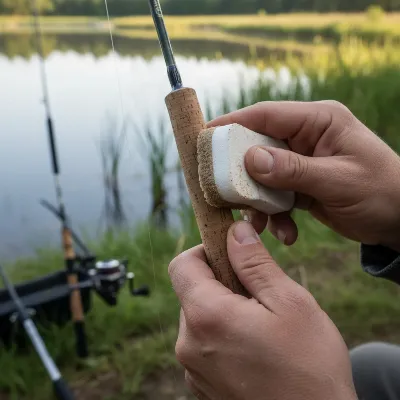 An angler carefully cleaning a cork fishing rod grip with a damp Magic Eraser, showing the process of removing dirt.
Common Mistakes to Avoid and Maintenance Tips
To ensure the longevity and performance of your fishing rod grips, it’s as important to know what to avoid as it is to know what to do.
Mistakes to Avoid
- Using Harsh Chemicals or Oil-Based Cleaners: Products like WD40 should be avoided on rod grips, blanks, and epoxy, as they can damage coatings and materials. Stick to mild soaps, alcohol, or specialized cleaners.
- Aggressive Scrubbing on Cork: Cork is delicate; excessive force, especially with abrasive tools, can damage its surface.
- Neglecting Protection During Sanding: Failing to use masking tape when sanding either cork or EVA foam can lead to scratches on the rod blank or other components.
- Skipping the Drying Step: Leaving grips damp, particularly cork, can lead to mold or mildew growth.
- Using Magic Eraser on Rod Blank: The abrasive nature of Magic Erasers can scratch the delicate coating of your rod blank, so keep it focused on the grips.
Maintenance Tips for Prolonging Grip Life
A little preventative care goes a long way in keeping your rod grips looking and feeling great.
- Rinse After Every Trip: A simple rinse with fresh, warm water after each fishing trip helps remove salt, slime, and loose dirt, especially beneficial for EVA foam.
- Wipe Down Regularly: A quick wipe with a damp cloth after use can prevent grime buildup.
- Store Properly: Store your rods in a clean, dry environment, preferably in rod sleeves, to protect grips from dust and environmental contaminants.
- Protect from Sunscreen and Bug Spray: These products often contain chemicals that can degrade grip materials, particularly EVA foam. Wash your hands thoroughly before handling your rod after applying them.
- Consider Cork Sealant: For cork grips, applying a dedicated cork sealant can create a protective barrier against dirt and moisture, reducing the frequency of deep cleaning.
Conclusion
Keeping your fishing rod grips clean is a simple yet impactful aspect of proper gear maintenance. By understanding the unique properties of cork and EVA foam and employing the correct cleaning techniques, you can effectively remove accumulated grime, restore their appearance, and enhance your overall angling experience. A clean grip provides better control, increased comfort, and a more enjoyable time on the water, allowing you to focus on what truly matters – the fish. Make grip cleaning a regular part of your post-fishing routine, and your rods will thank you with years of reliable service.
What are your go-to methods for keeping your rod grips pristine after a long day of fishing?
Frequently Asked Questions
How often should I clean my fishing rod grips?
The frequency depends on how often you fish and the conditions. A quick wipe down after every trip is ideal. A deep clean using soap, Magic Erasers, or sandpaper might be needed every few weeks or months, depending on visible grime and feel.
Can I use household bleach to clean my rod grips?
No, it is strongly advised to avoid harsh chemicals like bleach. Bleach can degrade grip materials, especially EVA foam, and potentially damage other components of your fishing rod. Stick to mild soaps, rubbing alcohol, or specialized cleaners.
Will cleaning my cork grips make them more slippery?
Properly cleaning cork grips will actually improve their feel and reduce slipperiness by removing the oily residue and grime that can build up. If you use a sealant, ensure it’s specifically designed for cork to maintain its natural texture.
What causes my EVA foam grips to become shiny and slick?
EVA foam grips become shiny and slick primarily due to the repeated pressure from your hands over time, which flattens the surface texture. Dirt, oils, and sunscreen also contribute to this slickness. Sanding with fine-grit sandpaper can help restore the original texture.
Is it safe to get the reel seat wet while cleaning the grips?
While a little water won’t typically harm a reel seat, it’s best to minimize moisture contact with the reel seat and other metal components to prevent corrosion. Focus the cleaning efforts primarily on the grips and dry any incidental splashes quickly.
Frequently Asked Questions
How often should I clean my fishing rod grips?
The frequency of cleaning fishing rod grips depends on how often you fish and the conditions. A quick wipe down after every trip is ideal, while a deep clean using soap, Magic Erasers, or sandpaper might be needed every few weeks or months, depending on visible grime and feel.
Can I use household bleach to clean my rod grips?
No, it is strongly advised to avoid harsh chemicals like bleach when cleaning rod grips. Bleach can degrade grip materials, especially EVA foam, and potentially damage other components of your fishing rod. Stick to mild soaps, rubbing alcohol, or specialized cleaners for safe cleaning.
Will cleaning my cork grips make them more slippery?
Properly cleaning cork grips will actually improve their feel and reduce slipperiness by removing the oily residue and grime that can build up. If you use a sealant, ensure it's specifically designed for cork to maintain its natural texture and grip.
What causes my EVA foam grips to become shiny and slick?
EVA foam grips become shiny and slick primarily due to the repeated pressure from your hands over time, which flattens the surface texture. Dirt, oils, and sunscreen also contribute to this slickness. Sanding with fine-grit sandpaper can help restore the original texture and improve grip.
Is it safe to get the reel seat wet while cleaning the grips?
While a little water won't typically harm a reel seat, it's best to minimize moisture contact with the reel seat and other metal components to prevent corrosion. Focus the cleaning efforts primarily on the grips and dry any incidental splashes quickly to protect your gear.
How to Safely Clean Fishing Rod Grips
This guide provides step-by-step instructions for safely cleaning both cork and EVA foam fishing rod grips, restoring their appearance and enhancing your angling experience.
Lightly dampen a Mr. Clean Magic Eraser and gently rub it along the cork grip in short, controlled strokes. The eraser will pick up dirt and grime. Continuously rotate the eraser and wipe the grip down with a clean, damp cloth afterwards.
For deep stains on cork, apply a small amount of rubbing alcohol to a clean cloth and gently rub the stained areas. For severely discolored cork, use fine-grit sandpaper (1,000 to 2,000-grit) to gently sand the surface, then wipe away cork dust with a dry cloth. Use sandpaper sparingly.
Prepare a solution of warm water and a few drops of mild dish soap. Dip a soft brush into the soapy water and scrub the EVA foam grip thoroughly. Rinse the grip under warm, running water to remove all soap residue. Repeat if necessary until clean.
If your EVA grip is shiny and slippery, apply masking tape to adjacent rod parts for protection. Using #320 sandpaper, gently sand the surface of the EVA foam evenly to restore its texture. Wipe off any residue.
Allow both cork and EVA foam grips to air dry completely before storage or next use. This is crucial to prevent moisture from getting trapped, which can lead to mold or mildew growth, especially in cork.

Who knew cleaning rod grips could be so simple? I always thought it was a complicated process. The part about using rubbing alcohol for sanitizing and removing stubborn dirt on EVA foam was particularly helpful. My spinning rod’s grip was looking pretty nasty, and now it’s clean and fresh. Thanks for the clear instructions!
The suggestions for cleaning the natural oils off my grips were okay. I tried the mild soap and water method for my cork handle, and while it cleaned it up a bit, it didn’t quite get rid of all the discoloration I was hoping for. Maybe my rod was just too far gone, or I needed a stronger solution. It’s a good starting point though.
I’ve always struggled with keeping my cork grips looking good, especially after a few messy trips. The tips here for using a magic eraser on the stubborn spots were a game-changer. My favorite fly rod looks almost new again, and it didn’t take nearly as much scrubbing as I thought it would. Definitely recommend giving these methods a try.
Great advice for getting rid of that fish slime and sunscreen buildup! I used the baking soda paste on my EVA foam grips, and it worked really well to lift the grime. I did find that I needed to let it sit a bit longer than suggested for the really deep-set stains, but overall, I’m super happy with the results. My grips feel much less slippery now.