Replacing a broken fishing rod guide is a rewarding DIY task that can save anglers time and money, getting them back to fishing faster. With patience, the right tools, and a clear understanding of the process, you can safely and effectively repair your own fishing rods at home. This guide covers every step, from removing the old guide to applying a professional-grade finish, ensuring your rod performs optimally.
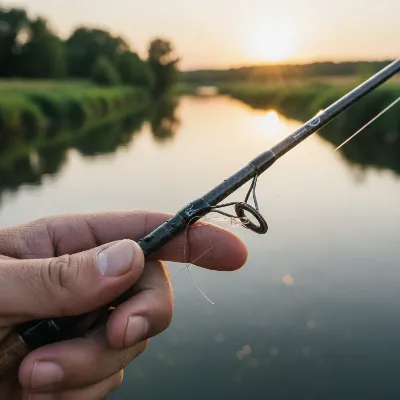 An angler carefully inspecting a damaged fishing rod guide, highlighting the frustration of broken equipment
Understanding Fishing Rod Guides
Fishing rod guides are critical components that directly impact your rod’s performance, casting distance, line protection, and sensitivity. They efficiently channel the fishing line from your reel along the rod blank, distributing stress evenly during a fight and reducing friction during casts and retrieves. A damaged guide disrupts this balance, leading to potential line fraying, decreased casting accuracy, and a noticeable loss of sensitivity.
Damage to rod guides is common, often from accidental impacts, improper storage, or using the guide as a makeshift hook keeper. Constant line friction, especially with braided or super lines, can also wear down ceramic inserts over time. An impaired guide compromises your entire fishing experience and must be addressed promptly.
Rod guides come in various types and are constructed from different materials, each designed for specific fishing applications. The main structural types include:
- Single-Foot Guides: These guides have a single leg that attaches to the rod blank. They are favored for lighter rods, such as spinning and fly rods, because they minimize overall weight, enhancing the rod’s sensitivity and action. While lighter, they offer less structural support than their double-footed counterparts.
- Double-Foot Guides: Featuring two legs for attachment, these guides provide increased strength and durability. They are commonly found on heavier rods, including baitcasting, boat, and surfcasting rods, where handling heavier loads and larger fish is anticipated. They add a bit more weight but offer superior robustness.
- Triple-Foot Guides: Offering maximum support and strength with three attachment points, triple-foot guides are reserved for very heavy-duty rods used in extreme conditions, such as deep-sea fishing. Their added weight is a necessary trade-off for the immense power and resilience required for targeting powerful, large species.
The materials used for both the guide frame and the insert ring also significantly affect performance. Guide frames, which connect to the rod blank, are typically made from:
- Stainless Steel: A durable and cost-effective option, offering good corrosion resistance, especially in 316-grade for saltwater applications.
- Titanium: Extremely lightweight, highly corrosion-resistant, and strong, titanium frames are a premium choice for high-end rods where weight reduction and durability are paramount.
- Carbon: Less common for frames but appearing in high-performance guides like Daiwa AGS, carbon frames offer exceptional lightness and sensitivity.
The insert ring, the circular component where the line actually passes through, is crucial for reducing friction and resisting abrasion. Common materials include:
- Aluminum Oxide: A basic, durable ceramic, often found in entry to mid-range rods.
- Alconite: A advanced ceramic from Fuji, offering a good balance of durability, smoothness, and lightweight properties.
- Silicon Carbide (SiC): Known for its excellent heat dissipation and extreme hardness, SiC inserts are ideal for minimizing line friction during long casts or when fighting powerful fish.
- Torzite: Fuji’s top-tier ceramic, even lighter and harder than SiC, allowing for thinner rings and improved sensitivity, often used in high-performance or ultra-light rods.
- Zirconium: Another high-quality ceramic offering good performance in terms of smoothness and durability.
Understanding these components will help you choose the correct replacement guide that matches your rod’s specifications and your fishing style, ensuring optimal performance after your DIY repair.
Essential Tools and Materials for Guide Replacement
Before embarking on your fishing rod guide repair, gather all necessary tools and materials. Having everything at hand will streamline the process and prevent interruptions.
Tools:
- Small Flame Source: An alcohol burner is ideal as it produces a clean flame without soot, preventing discoloration of your rod blank. A lighter can also work with careful, quick passes.
- Sharp Razor Blade or Craft Knife: Essential for carefully cutting through old epoxy and thread.
- Needle-Nose Pliers: For removing the old guide and any stubborn remnants of thread or epoxy.
- China Marker or Grease Pencil: For accurately marking the new guide’s position.
- Fine-Grit Sandpaper (400-600 grit) or Small File: For smoothing the rod blank and filing down the feet of the new guide.
- Rubbing Alcohol or Acetone: For cleaning the rod blank and removing residue.
- Mixing Cups and Stirring Sticks: For preparing two-part epoxy. Disposable plastic cups and coffee stirrers work well.
- Small Brushes: For applying epoxy finish.
- Rod Dryer (Optional but Recommended): A device that slowly rotates the rod to ensure an even, bubble-free epoxy finish.
- Guide Alignment Tool (Optional): Helps ensure perfect alignment of the new guide with others.
Materials:
- Replacement Fishing Rod Guide: Ensure it matches the size (ring diameter and foot length) and type (single-foot, double-foot) of the original guide and is appropriate for your rod’s power and action.
- Rod Wrapping Thread: Specifically designed for rod building, available in various colors and sizes. Choose a color that matches or complements your rod’s existing wraps. Nylon or polyester threads are common.
- Two-Part Rod Building Epoxy: Consists of a resin and a hardener that, when mixed, create a durable, clear finish. Look for a high-build epoxy for fewer coats or a low-build for a thinner finish over multiple applications.
- Super Glue (Cyanoacrylate adhesive): A small dab can be used to temporarily tack the new guide in place before wrapping.
- Masking Tape: For temporarily securing the guide and for holding the wrapping thread.
- Quick-Pull Loop (Homemade from stiff wire or thread): Used to finish the thread wrap neatly.
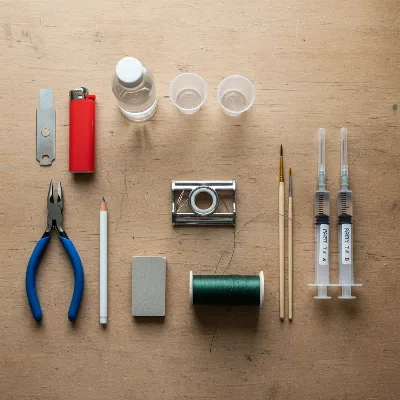 An organized flat lay of all essential fishing rod guide repair tools and materials on a workbench
Step-by-Step Guide to Replacing a Fishing Rod Guide
Replacing a broken guide might seem daunting, but by following these clear steps, you can achieve a durable and professional result.
1. Removing the Old Guide
|
Our Picks for the Best Fishing Rod in 2026
As an Amazon Associate I earn from qualifying purchases.
|
||
| Num | Product | Action |
|---|---|---|
| 1 | PLUSINNO Fishing Rod and Reel Combos - Carbon Fiber Telescopic Fishing Pole - Spinning Reel 12 +1 Shielded Bearings Stainless Steel BB |

|
| 2 | OKUMATrout Rod |
|
| 3 | PLUSINNO Fishing Rod and Reel Combos - Carbon Fiber Telescopic Fishing Pole - Spinning Reel 12 +1 Shielded Bearings Stainless Steel BB |
|
| 4 | PLUSINNO Fishing Rod and Reel Combos Carbon Fiber Telescopic Fishing Pole with Reel Combo Sea Saltwater Freshwater Kit Fishing Rod Kit |
|
| 5 | PLUSINNO Fishing Gear,Full Fishing kit Include Fishing Rod and Reel Combo, Tackle Box with Fishing Lures, Fishing Accessories, Fishing Pliers,Fishing Gifts for Men with Fishing Tool Kit |
|
| 6 | Fishing Rod, 6.9ft 2Pcs Telescopic Fishing Rods Set, Carbon Fiber Fishing Pole, 2PCS Spinning Rod and Reel Combo with Carrier Bag Freshwater Fishing Rod and Reel Combos Kits Fishing Gear |
|
| 7 | PLUSINNO Fishing Rod and Reel Combos Carbon Fiber Telescopic Fishing Pole with Reel Combo Sea Saltwater Freshwater Kit Fishing Rod Kit |
|
| 8 | Sougayilang Fishing Rod Reel Combo with Telescopic Fishing Pole Spinning Reel Carrier Bag for Travel Saltwater Freshwater Fishing |
|
| 9 | Shakespeare Micro Spinning Rod |
|
| 10 | PLUSINNO Fishing Rod and Reel Combos Carbon Fiber Telescopic Fishing Pole with Reel Combo Sea Saltwater Freshwater Kit Fishing Rod Kit |
|
The first crucial step is to safely remove the damaged guide without harming the rod blank.
- Apply Gentle Heat: Using your small flame source (alcohol burner preferred), quickly and carefully whisk the flame back and forth over the epoxy on top of the damaged guide’s foot. The goal is to soften the epoxy, not burn the blank. This gentle heat weakens the bond, making it easier to cut. Be extremely cautious, especially with graphite or composite blanks, as excessive heat can cause irreversible damage.
- Carefully Cut the Finish: Once the epoxy is softened, take your sharp razor blade or craft knife. Carefully cut through the finish and thread directly over the guide foot. Since rod blank materials can be easily damaged, cut cautiously, focusing on severing the epoxy and thread layer, not scoring the blank itself.
- Clear Excess Material: After cutting, you may find leftover epoxy and thread. Use your fingers or pliers to peel back and remove these residual materials from the rod blank. Ensure the area is as clean as possible, as large chunks of old material will complicate the installation of the new guide.
- Remove the Damaged Guide: The guide should now come off easily. If it remains, gently pull it straight up and away from the blank with pliers. Avoid pulling at an angle, which could cause the sharp guide foot to scratch the rod blank.
2. Preparing the Rod Section
A clean and well-prepared surface is essential for proper adhesion and a smooth finish.
- Clean the Blank: After removing the old guide and excess material, use fine-grit sandpaper (400-600 grit) to gently sand the area where the guide was located. This removes any remaining adhesive or thread residue and slightly roughs up the surface for better adhesion. Follow up with rubbing alcohol or acetone to thoroughly clean the blank, removing all oils and dirt.
- Mark the New Guide’s Position: Typically, the old guide will leave a “footprint” on the blank, making it easy to align the new one. Use a china marker or grease pencil to place a small dash or mark precisely where the replacement guide’s foot will sit, ensuring it aligns with the other guides on the rod.
- Prepare the New Guide: Properly prepping the new guide is vital. Use a small file or fine sandpaper to gently grind down the guide foot to a smooth, pointed transition. This ensures a seamless flow when you begin wrapping thread from the blank onto the guide foot, preventing the thread from bunching up. Run the bottom of the guide foot over your fingernail; if it scratches your nail, it will scratch your rod blank. Continue filing until it feels smooth.
3. Attaching and Aligning the New Guide
Securing the new guide in the correct position is a critical step for a functional rod.
- Initial Tack: Place the prepared new guide onto your marked spot. A tiny dab of super glue (cyanoacrylate adhesive) can be used on the guide foot to temporarily hold it in place. Alternatively, small pieces of masking tape can secure the guide. Some builders even use small cable ties.
- Ensure Perfect Alignment: This is paramount. Look down the rod blank from the reel seat towards the tip. Ensure the new guide is perfectly aligned with all the other guides on the rod. Take your time with this step, making small adjustments until the alignment is flawless. You can make minor adjustments even after starting the initial thread wraps.
4. Wrapping the Guide
Wrapping the guide foot with thread is an art form that requires patience and precision.
- Starting the Wrap: Secure the rod blank on a rod-building stand or workbench. Take your chosen rod wrapping thread. Start about 1/4 to 1/2 inch away from the guide foot, in the direction you plan to wrap (typically towards the guide). Lay the thread on the blank and make a single wrap around it. Then, place your finger on the blank where the two threads meet and slowly rotate the rod, crossing the running thread over the tag end (the short end you just started with). This creates an “X” pattern that locks the thread in place without needing a knot.
- Wrapping Technique: Continue wrapping the thread tightly and evenly, ensuring each turn sits flush against the previous one, without overlapping. This creates a smooth, consistent wrap. As you approach the guide foot, carefully transition the thread onto the filed-down foot, maintaining consistent tension.
- Finishing the Wrap: When you’re about 1/4 to 1/8 inch from the end of the guide foot, create a “quick-pull loop.” Take a separate piece of thread (or stiff wire) and fold it into a loop. Lay this loop along the rod blank, pointing towards the guide. Continue wrapping over the loop’s tag end for about 6-7 turns. Once wrapped, cut your main wrapping thread, leaving a long tag end. Insert this tag end through the loop. Gently pull the quick-pull loop, drawing the tag end of your main thread underneath the last few wraps. This secures the thread without a visible knot. Carefully trim any excess tag end flush with the wrap. Repeat the wrapping process for the other side of the guide foot if it’s a double-foot guide, or if you prefer a short “underwrap” for added durability.
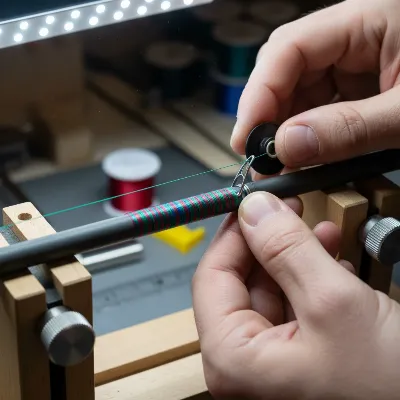 A close-up of hands meticulously wrapping thread around a new fishing rod guide on a rod blank
5. Applying the Epoxy Finish
The epoxy finish protects the thread wraps and guide feet, adding durability and a polished look.
- Mixing Two-Part Epoxy: Rod building epoxy typically comes in two parts: resin (Part A) and hardener (Part B), usually a 50/50 mix. Accuracy is crucial for proper curing. Measure equal parts into a small, non-porous mixing cup. Heat both components slightly before mixing (e.g., with warm tap water) to thin them, aiding in accurate measurement and thorough mixing while helping release trapped bubbles. Mix slowly but thoroughly with a rounded stick until completely clear, avoiding rapid mixing which can introduce tiny bubbles.
- First Thin Coat (Sealer): Many builders apply a very thin first coat of epoxy. This “thread sealer” bonds everything in place and allows the epoxy to soak into the thread wraps. Apply a minimal amount with a brush, working it into the threads.
- Full Coat Application: Once the sealer coat (if used) is dry or immediately after the first coat if using a high-build epoxy, apply a slightly thicker, even coat of epoxy over the entire wrap and guide feet. Use a small, disposable brush. Let the rod dryer (if using) rotate the rod, allowing the brush to gently spread the epoxy. Ensure the epoxy extends about 1/4 inch beyond the thread wraps onto the rod blank at both ends to prevent moisture intrusion and rust on guide feet. Also, fill any small gaps under the guide legs. Avoid applying too much at once, as it can sag.
- Removing Air Bubbles: After application, small air bubbles may appear. Gently pass the flame of an alcohol burner (never a butane lighter, which can leave soot) briefly underneath each epoxy-coated wrap while the rod is rotating. The heat will thin the epoxy and allow the bubbles to rise and pop. Do not hold the flame too close or for too long, as this can loosen the epoxy bond or scorch the blank.
6. Curing and Drying
Proper curing ensures a hard, durable, and crystal-clear finish.
- Using a Rod Dryer: Immediately after applying the epoxy and removing bubbles, transfer the rod to a rod dryer. This device slowly rotates the rod (typically 8-9 RPM) for several hours. This continuous rotation prevents the epoxy from sagging or pooling, ensuring a perfectly smooth, even, and concentric finish.
- Recommended Curing Time: Allow the rod to rotate on the dryer for at least 3-4 hours, or as recommended by your epoxy manufacturer. The epoxy will be tack-free after this period, but for full hardness and durability, it’s best to let it cure for a full 24-48 hours before handling extensively or fishing with the rod.
Tips for a Professional-Looking Finish
Achieving a professional finish is all about attention to detail.
- Even Tension: Maintain consistent tension on the wrapping thread throughout the wrapping process. This prevents gaps, overlaps, and loose wraps that can compromise strength and appearance.
- Cleanliness is Key: Ensure your workspace, rod blank, hands, and tools are meticulously clean. Dust, debris, or oils can ruin an otherwise perfect epoxy finish.
- Proper Epoxy Application: Don’t overload your brush, and let the rod’s rotation do most of the work when applying epoxy. Horizontal brush strokes can help level peaks and valleys if not using a dryer.
- Bubble Removal: Always use an alcohol burner for bubble removal. Its clean flame is essential for a clear, pristine finish. Multiple light passes are better than one long exposure.
- Line Up Guides: Always sight down the length of your rod, from the reel seat to the tip, to ensure all guides are perfectly aligned before the epoxy hardens. Minor adjustments are still possible immediately after wrapping or during the initial epoxy application.
Common Mistakes to Avoid
Even experienced anglers can make mistakes. Being aware of these pitfalls can save you time and frustration.
- Damaging the Rod Blank: The most critical mistake is cutting or scraping the rod blank itself while removing the old guide. This weakens the rod and can lead to a catastrophic failure. Always cut carefully over the guide foot.
- Uneven or Overlapping Wraps: If the thread wraps are not tight and uniform, they will create bumps and an unprofessional look under the epoxy. Worse, uneven tension can lead to loose guides.
- Improper Guide Alignment: A misaligned guide will affect casting accuracy and cause line friction, hindering your rod’s performance. Double-check alignment before the glue sets.
- Overheating the Blank: Too much heat, especially from a butane lighter, can damage the rod blank’s integrity or leave unsightly soot on the finish. Use an alcohol burner and apply heat in quick, gentle passes.
- Incorrect Epoxy Mixing: An inaccurate resin-to-hardener ratio will prevent the epoxy from curing properly, leaving a sticky or soft finish that never fully hardens.
- Not Using a Rod Dryer (for epoxy): While not strictly mandatory, skipping a rod dryer significantly increases the risk of epoxy sagging, creating an uneven and unsightly finish.
When to Seek Professional Help
While DIY guide replacement is accessible for many, there are situations where professional assistance is advisable.
- Severe Blank Damage: If the rod blank itself is cracked, fractured, or deeply scored, replacing just the guide might not be enough. A professional rod builder can assess the structural integrity and determine if the rod is repairable or if the damage warrants replacement.
- Lack of Confidence: If you feel uncomfortable with any step of the process, particularly with using heat or handling sharp tools near your rod, it’s better to consult an expert. An improper DIY repair can do more harm than good.
- Specialized or High-Value Rods: For very expensive, custom-built, or sentimental rods, entrusting the repair to a professional ensures the highest quality of work and preserves the rod’s value and performance characteristics.
- Multiple Guide Replacements: If your rod requires several guides replaced, especially consecutively, a professional can often perform the work more efficiently and with greater consistency in guide spacing and alignment.
Knowing your limits is as important as knowing how to perform the repair. A professional rod builder has the experience, specialized tools, and materials to tackle complex repairs, ensuring your cherished fishing rod is restored to its optimal condition.
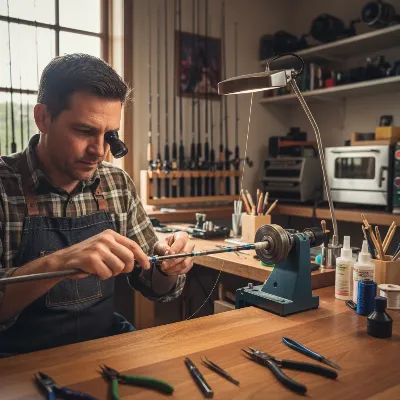 A skilled rod builder working on a fishing rod with specialized tools in a workshop setting
Conclusion
Replacing a broken fishing rod guide is a highly achievable DIY project that offers both satisfaction and significant savings. By carefully following the steps for removing the old guide, preparing the rod, meticulously wrapping the new guide, and applying a flawless epoxy finish, you can restore your rod’s performance and extend its lifespan. This skill not only empowers you to handle minor repairs on your own but also deepens your understanding and appreciation for your fishing equipment. patience and attention to detail are your best tools throughout this process. Don’t let a broken guide sideline your fishing adventures; embrace the challenge, and soon you’ll be casting confidently with a rod you’ve personally brought back to life. What’s your next fishing adventure, and how will your newly repaired rod enhance it?
Frequently Asked Questions
Can I use super glue to attach a fishing rod guide permanently?
Super glue is generally not recommended for permanent guide attachment. While useful for temporarily tacking a guide in place before wrapping, its brittle nature means it can fail under stress. Dedicated two-part epoxy is essential for a strong, durable, and flexible bond that withstands the rigors of fishing.
How do I know what size replacement guide to buy?
To determine the correct size, measure the outside diameter (OD) of the insert ring of the broken guide in millimeters. If the insert is missing, measure the inside diameter (ID) of the guide frame. For tip-tops, you’ll also need the tube size, which is the inside diameter of the tube that fits over your rod blank.
How long does the epoxy take to cure completely?
While rod building epoxy typically becomes tack-free within 3-4 hours on a rod dryer, it requires a full 24-48 hours to achieve maximum hardness and durability. It’s best to avoid using or stressing the rod during this complete curing period to ensure the strongest possible bond.
Is a rod dryer absolutely necessary for applying epoxy?
While not strictly mandatory, a rod dryer is highly recommended. It slowly rotates the rod, preventing the epoxy from sagging or pooling, which can lead to an uneven and unprofessional finish. Without one, you’ll need to manually rotate the rod for several hours, which is tedious and less effective.
Can I repair a guide if the rod blank itself is cracked?
If the rod blank has a crack, especially where the guide attaches, simply replacing the guide is not sufficient. A cracked blank compromises the rod’s structural integrity and will likely lead to further breakage. In such cases, it’s best to consult a professional rod builder for an assessment or consider replacing the rod section.
Frequently Asked Questions
Can super glue be used for permanent fishing rod guide attachment?
No, super glue is not recommended for permanent guide attachment. While it can temporarily hold a guide in place before wrapping, its brittle nature means it will likely fail under the stresses of fishing. A dedicated two-part epoxy is essential for a strong, durable, and flexible bond.
How do I determine the correct size for a replacement fishing rod guide?
To find the correct size, measure the outside diameter (OD) of the insert ring of the broken guide in millimeters. If the insert is missing, measure the inside diameter (ID) of the guide frame. For tip-tops, you also need the tube size, which is the inside diameter of the tube that fits over your rod blank.
What is the complete curing time for rod building epoxy?
Rod building epoxy typically becomes tack-free within 3-4 hours when using a rod dryer. However, it requires a full 24-48 hours to achieve maximum hardness and durability. It is best to avoid using or stressing the rod during this complete curing period to ensure the strongest possible bond.
Is a rod dryer essential for applying epoxy to fishing rod guides?
While not strictly mandatory, a rod dryer is highly recommended for applying epoxy. It slowly rotates the rod (typically 8-9 RPM), preventing the epoxy from sagging or pooling, which ensures a perfectly smooth, even, and professional finish. Without one, manual rotation for several hours is required, which is tedious and less effective.
Can a fishing rod guide be repaired if the rod blank is cracked?
If the rod blank itself has a crack, especially where the guide attaches, simply replacing the guide is not sufficient. A cracked blank compromises the rod's structural integrity and will likely lead to further breakage. In such cases, it's best to consult a professional rod builder for an assessment or consider replacing the rod section.
Replace a Broken Fishing Rod Guide
This guide provides step-by-step instructions for safely replacing a broken fishing rod guide, from removing the old guide to applying a professional epoxy finish.
Carefully apply gentle heat with an alcohol burner to soften the epoxy on the damaged guide's foot. Use a sharp razor blade to cut through the finish and thread directly over the guide foot, being cautious not to damage the rod blank. Peel back and remove any leftover epoxy and thread, then gently pull the damaged guide straight up with pliers.
Clean the rod blank with fine-grit sandpaper (400-600 grit) and rubbing alcohol to remove residue and rough up the surface for better adhesion. Mark the new guide's precise position with a china marker, aligning it with other guides. File down the new guide's foot to a smooth, pointed transition to ensure a seamless thread wrap.
Place the prepared new guide onto your marked spot. Use a tiny dab of super glue or small pieces of masking tape to temporarily hold it in place. Crucially, look down the rod blank from the reel seat to the tip to ensure the new guide is perfectly aligned with all other guides before proceeding.
Secure the rod on a stand. Start wrapping the rod building thread about 1/4 to 1/2 inch away from the guide foot, creating an 'X' pattern to lock the thread. Continue wrapping tightly and evenly over the guide foot, ensuring each turn sits flush. Finish the wrap by creating a 'quick-pull loop' to secure the thread underneath the last few turns without a visible knot.
Mix equal parts of two-part rod building epoxy thoroughly until clear. Apply a thin, even coat over the entire thread wrap and guide feet using a small brush, extending about 1/4 inch onto the rod blank. Gently pass an alcohol burner flame underneath to remove air bubbles. Transfer the rod to a rod dryer to rotate for at least 3-4 hours, allowing it to cure for a full 24-48 hours for maximum hardness.

I’ve been putting off replacing a bent guide on my favorite bass rod for ages, thinking it would be too complicated. This guide made it super clear! The tips on properly aligning the new guide before wrapping were a game-changer. My rod feels like new and I’m back to casting without worrying about line fray.
This was exactly what I needed! My surf rod had a cracked ceramic insert and I was worried about damaging the blank trying to fix it myself. The detailed steps on how to safely remove the old guide without damaging the rod blank were invaluable. Now I can cast further without fear of my line getting shredded.
Great breakdown of the process. I appreciated the emphasis on using the right tools, especially the specific mention of a reamer for cleaning up the old epoxy. It definitely made the removal of the old guide much smoother than my previous attempts. Saved me a trip to the tackle shop for a repair.
The instructions for applying the finish were a bit tricky to follow, especially for a beginner like me. I ended up with a few small bubbles in the epoxy, even after trying to follow the steps carefully. It’s functional, but not as ‘professional-grade’ as I hoped. Still, it got the job done for my old spinning rod.